
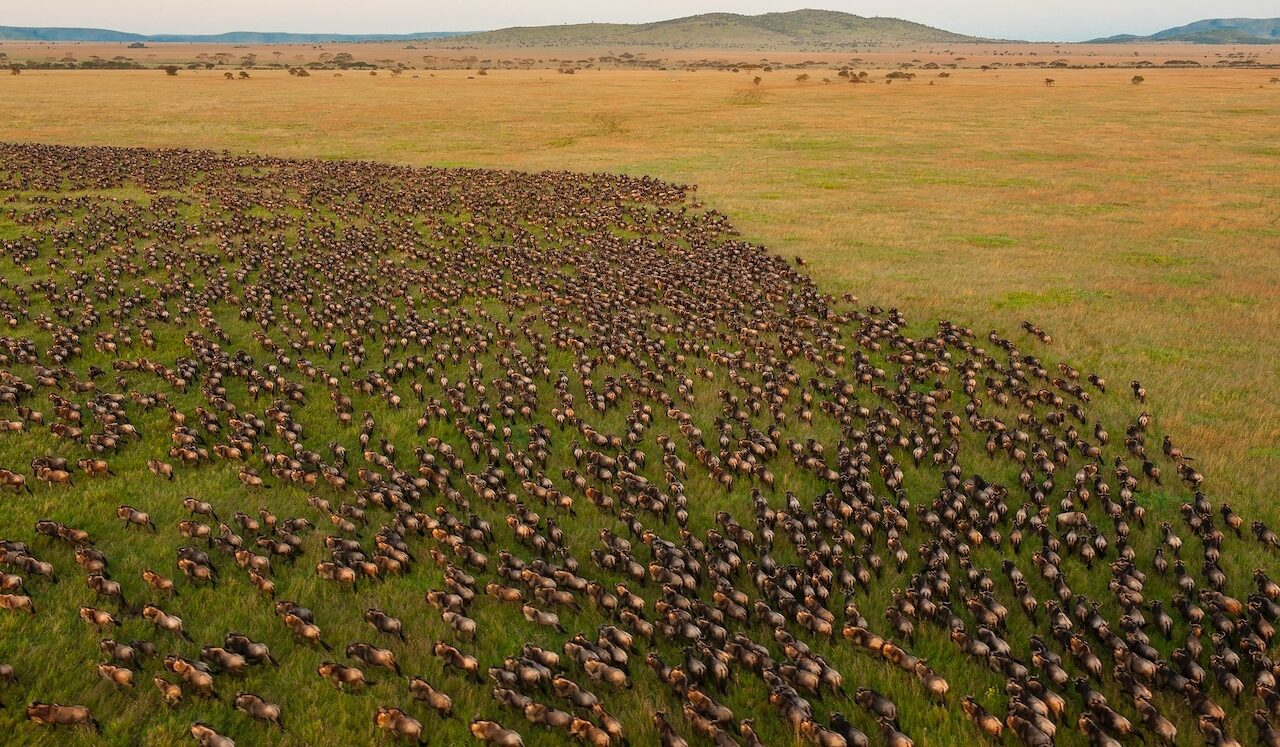
Together with the Frankfurt Zoological Society, we examine the balance between nature conservation and economic development by studying how preservation and resource use come into conflict across different landscapes, and how those tensions can be resolved.
Economic development has progressed rapidly over the past century, with rising living standards and striking reductions in poverty. These gains have been accompanied by environmental degradation, including the encroachment on natural habitats and unprecedented, often irreversible, biodiversity loss. Since 2025, FOS Co-Director Raji Jayaraman has worked with the Frankfurt Zoological Society (FZS) to understand urgent threats to nature conservation, investigate potential solutions, and, where possible, evaluate their effectiveness.
Threats to nature conservation are varied. This research-practice partnership draws on FZS’s boots-on-the-ground expertise, deep biodiversity know-how, and close connections with local communities and indigenous populations in and around the conservation areas they help protect. Together, these strengths enable a tailored approach to examining context-specific human nature conflicts in remote tropical landscapes spanning vast, biodiversity-rich protected areas in Latin America and Sub-Saharan Africa..
“In times of multiple crises, it is important to create interdisciplinary partnerships, especially between practitioners and researchers, in order to enable targeted action. In this context, the cooperation with Raji and her team is particularly innovative. For the first time, there is a research-oriented exchange on wide-ranging topics between conservation practitioners working in remote, biodiverse natural landscapes, and development economists. Even in the initial phase, it is already clear how approaches from development economics can break new ground and establish new ways of measuring impact. Ultimately, this can result in better protection of natural resources together with sustainable development in rural areas.”
– Dr Christof Schenck, FZS Director
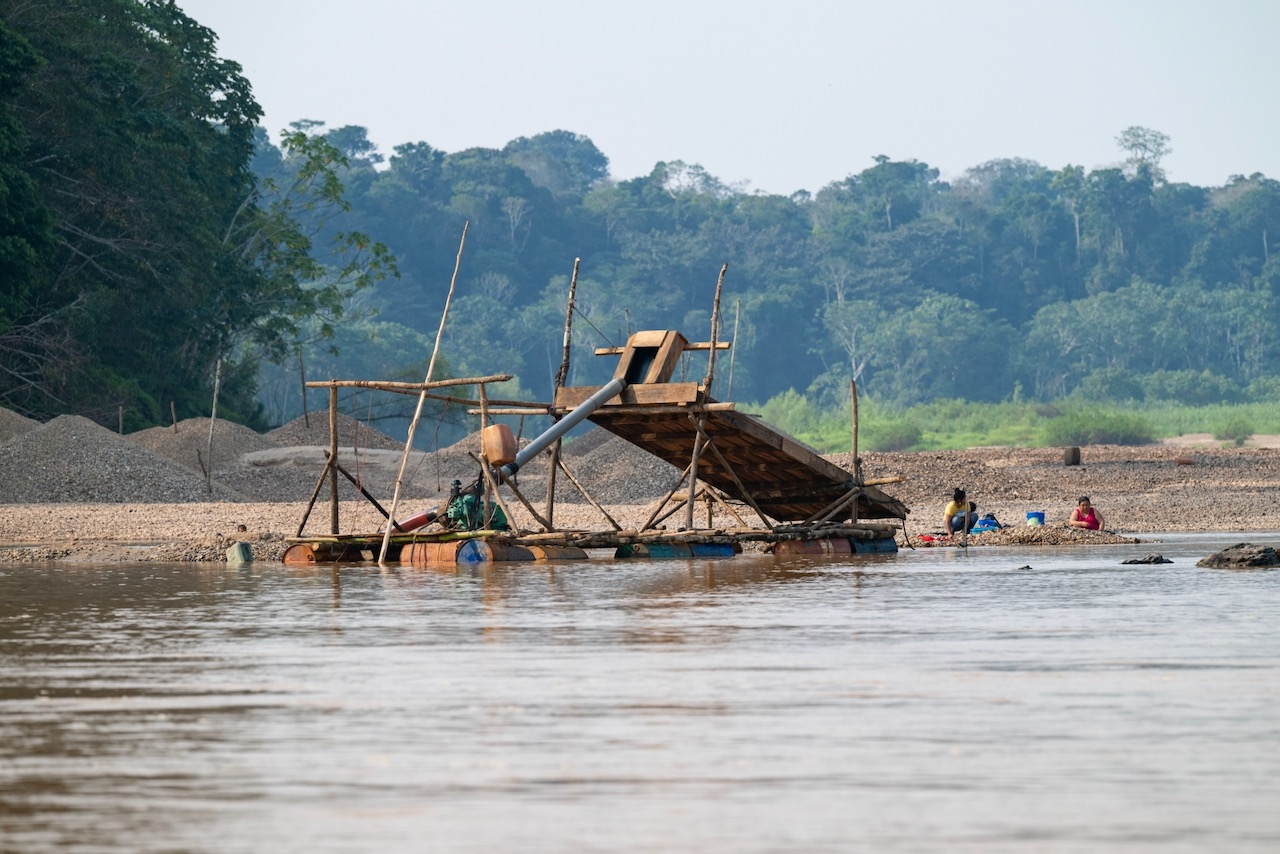
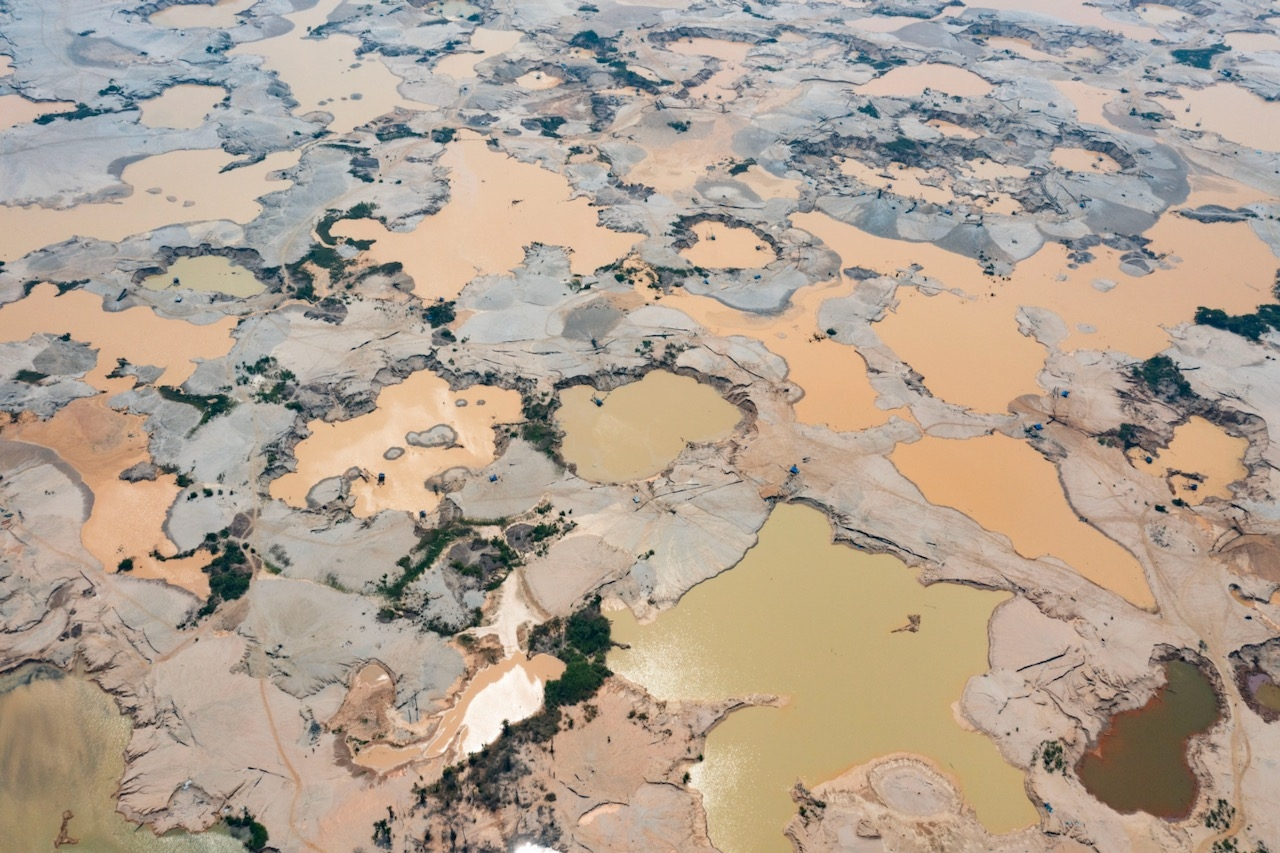
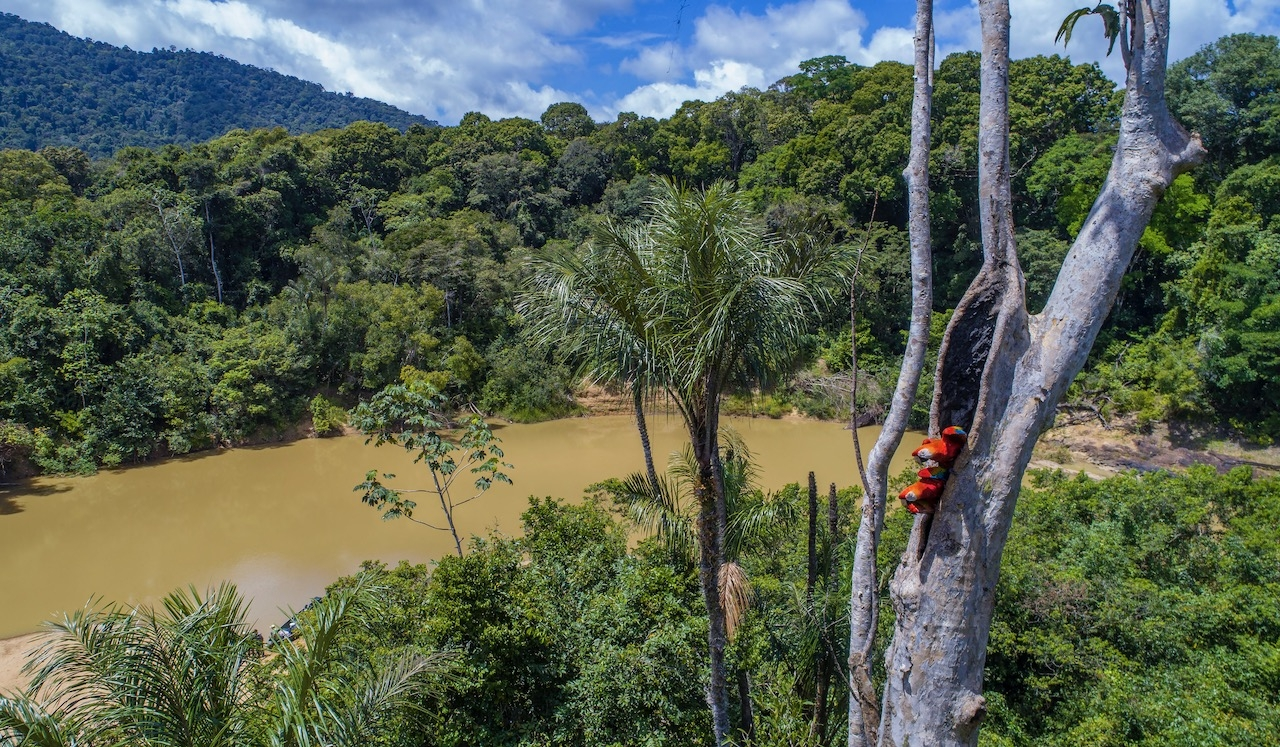
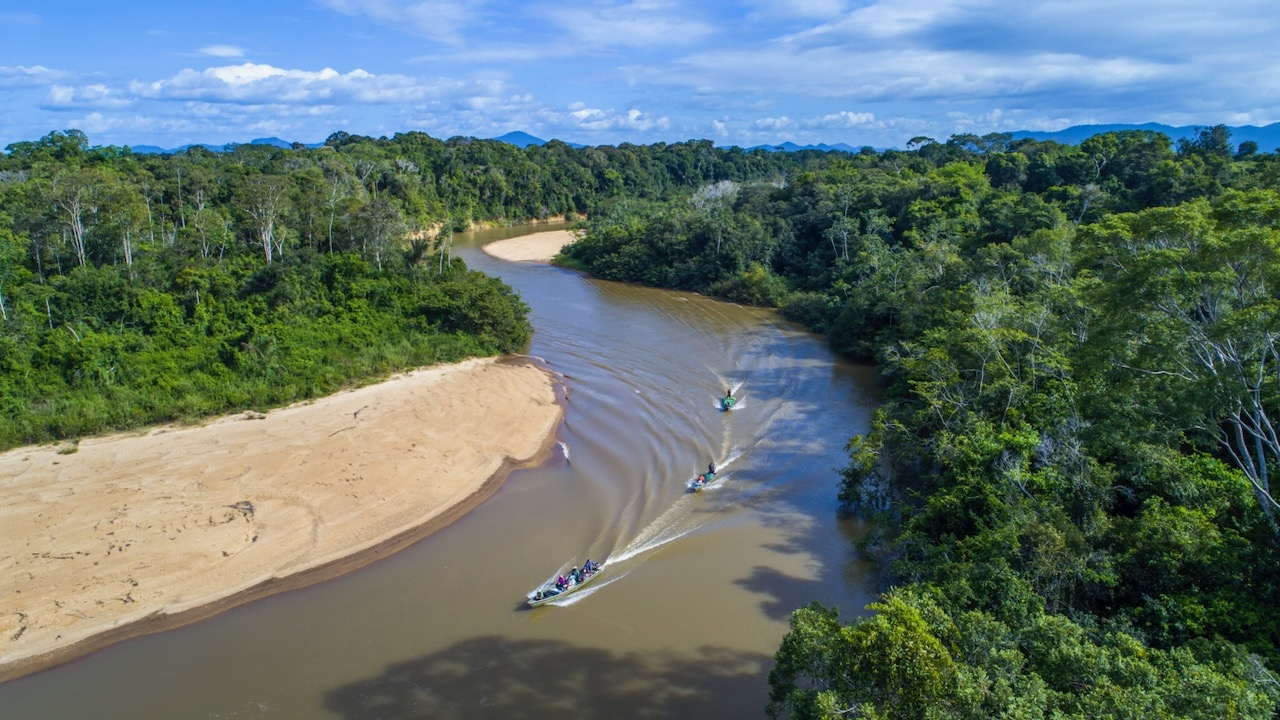
In the Peruvian Amazon forest, this partnership investigates the drivers of illegal river gold mining and its effects on deforestation and river ecosystems. In Tanzania’s Serengeti plains, the team evaluates whether community conservation banks promote conservation-oriented institutions and reduce poaching. In Ethiopia’s Bale Mountains, they examine how community agreements that curb illegal cattle grazing can be made more effective.
Research Team
Policy Partners
-
Christof Schenck
FZS Director
-
Tommaso Cassiani
FZS Monitoring and Evalation Lead