Opportunities for Computer-Assisted Learning and Outcomes in Puerto Rico
Findings presented at the Puerto Rico International Future of Education (IFED) Conference 2026 highlight how computer-assisted learning can improve outcomes at scale, but only when education systems ensure sustained, structured use.
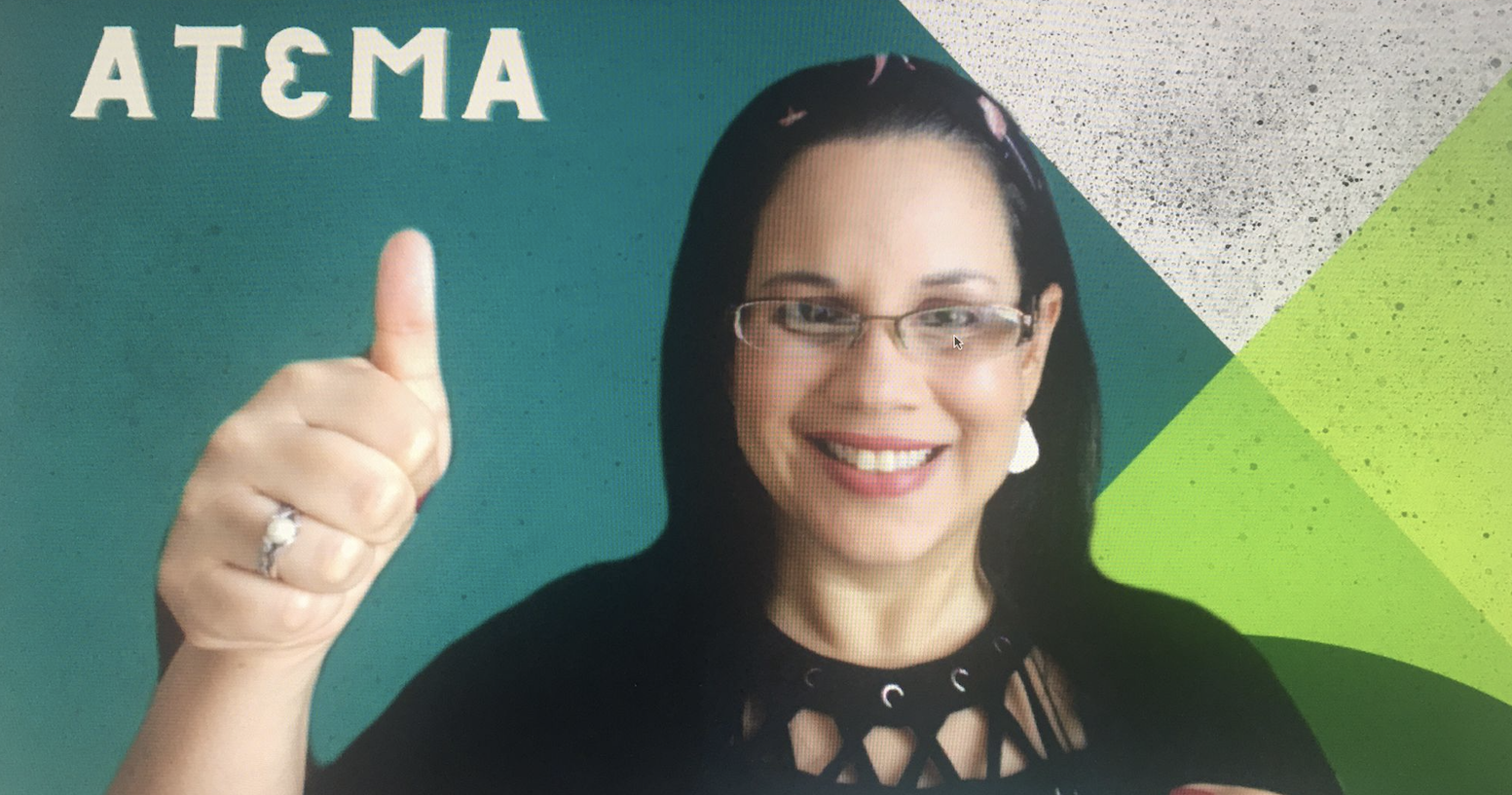
At the IFED 2026 conference on April 15, 2026, researchers and education leaders from Puerto Rico presented new findings on the impact of computer-assisted learning (CAL) in public schools. The study examines the at-scale coaching program —Aplicación de la Tecnología en la Enseñanza de las Matemáticas, or Technology Application in Mathematics Teaching (ATEMA) program— developed through the Education Management, Innovation, and Learning Initiative, a long-standing partnership between FOS and the Puerto Rico Department of Education (PRDE).
Featured Research
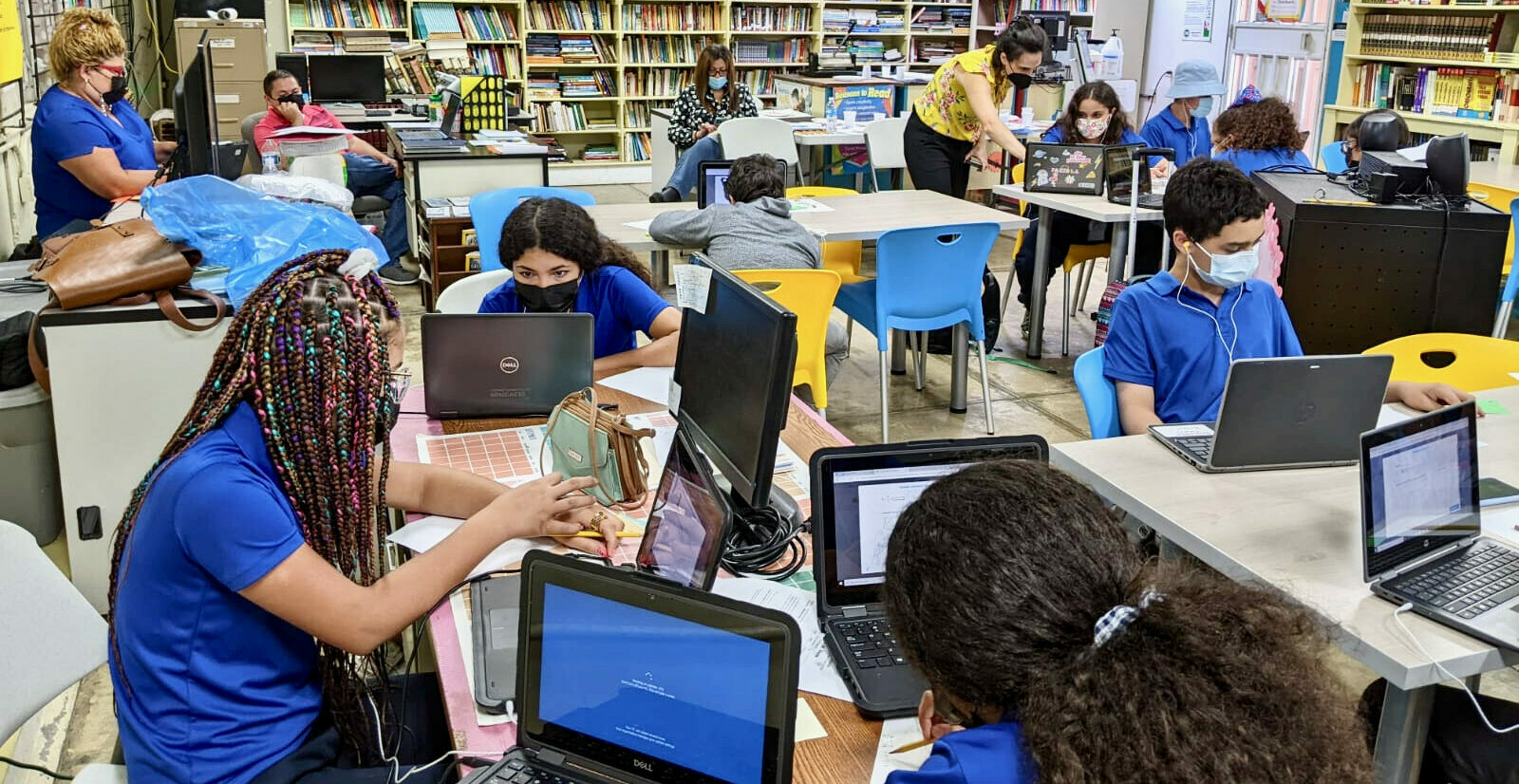
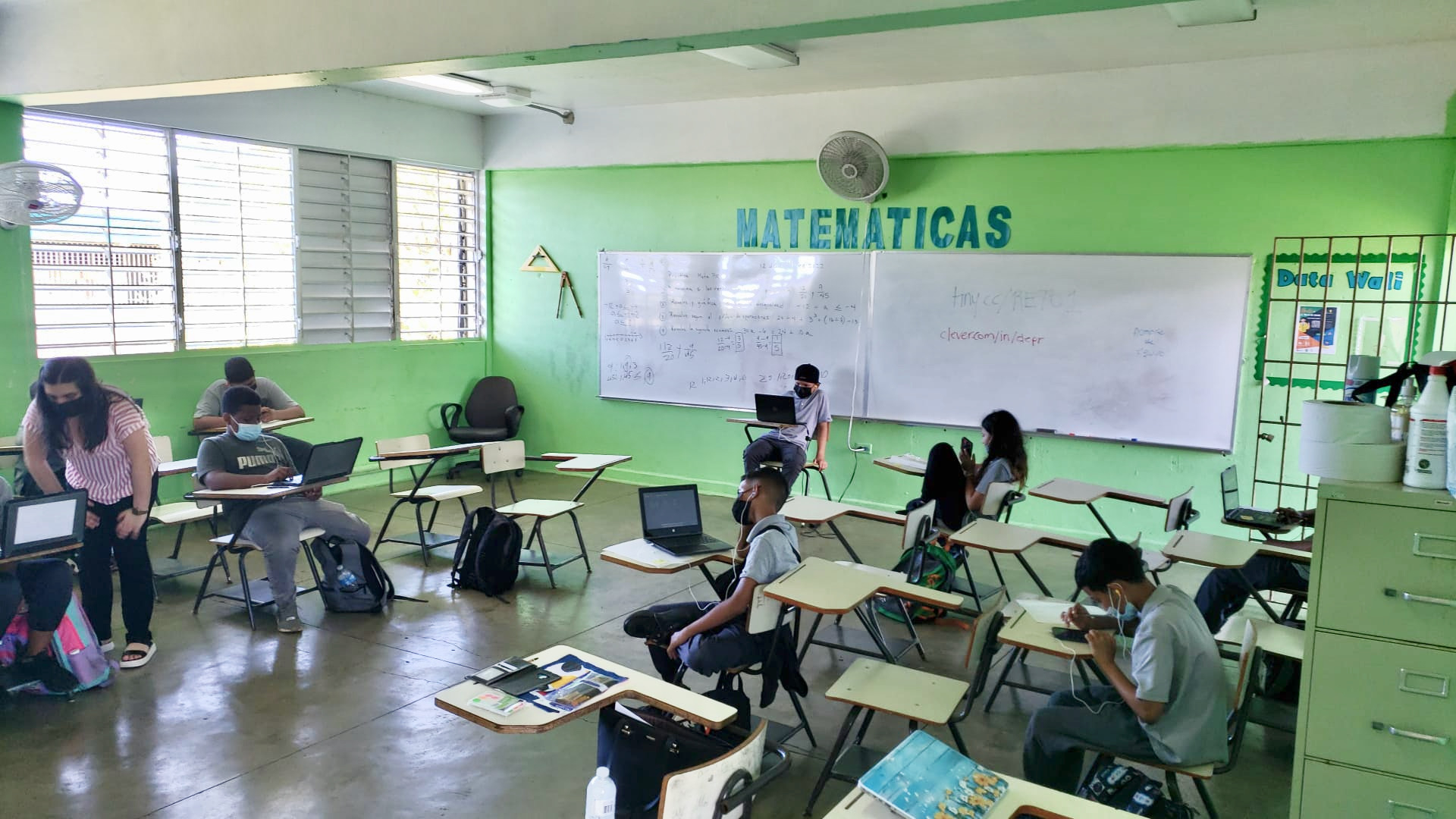
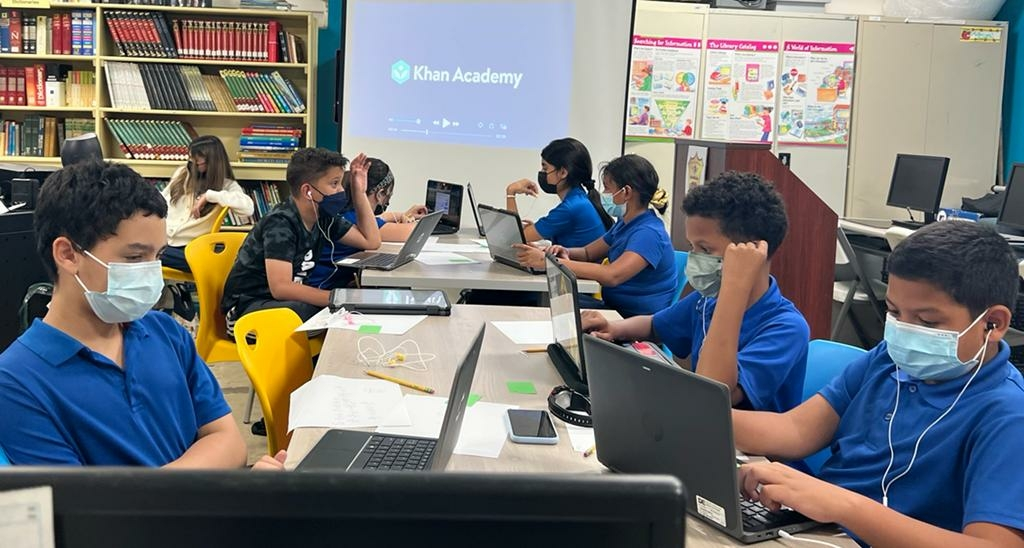
CAL technologies have demonstrated strong efficacy in improving student achievement in controlled settings; but whether such interventions can be sustained and effectively scaled across school systems remains limited. This study evaluates a large-scale coaching program supporting math teachers to integrate Khan Academy into instruction across Puerto Rico’s population of 4th- to 8th-grade public schools over multiple years. Results show that structured teacher coaching increased student engagement with digital learning platforms, with a nearly eightfold increase in uptake, with additional parental communication further boosting engagement. Effects on math achievement are modest in the short run but persist when combined with parental engagement. Overall, learning gains among active platform users are meaningful and consistent with prior small-scale efficacy trials, underscoring how impact depends on students’ engagement with the CAL platform and strong support from both teachers and families.
Event and Presentation
At the conference, Damarys Varela, representing the Puerto Rico Department of Education, reflected on how the partnership behind ATEMA came together. This research-practice partnership has allowed the program to evolve alongside the needs of schools, ensuring that evidence directly informs implementation.
FOS Co-Director Gustavo Bobonis, who presented the study’s findings, highlighted how sustained change and impact depends on how well systems support teachers and students in using these tools consistently and effectively.
Moving Forward
ATEMA has remained an ongoing effort in schools across Puerto Rico over the past years. The program has evolved through new research-informed modifications and target group rollouts, with further testing and research underway to better understand how to sustain engagement and improve outcomes over time.