
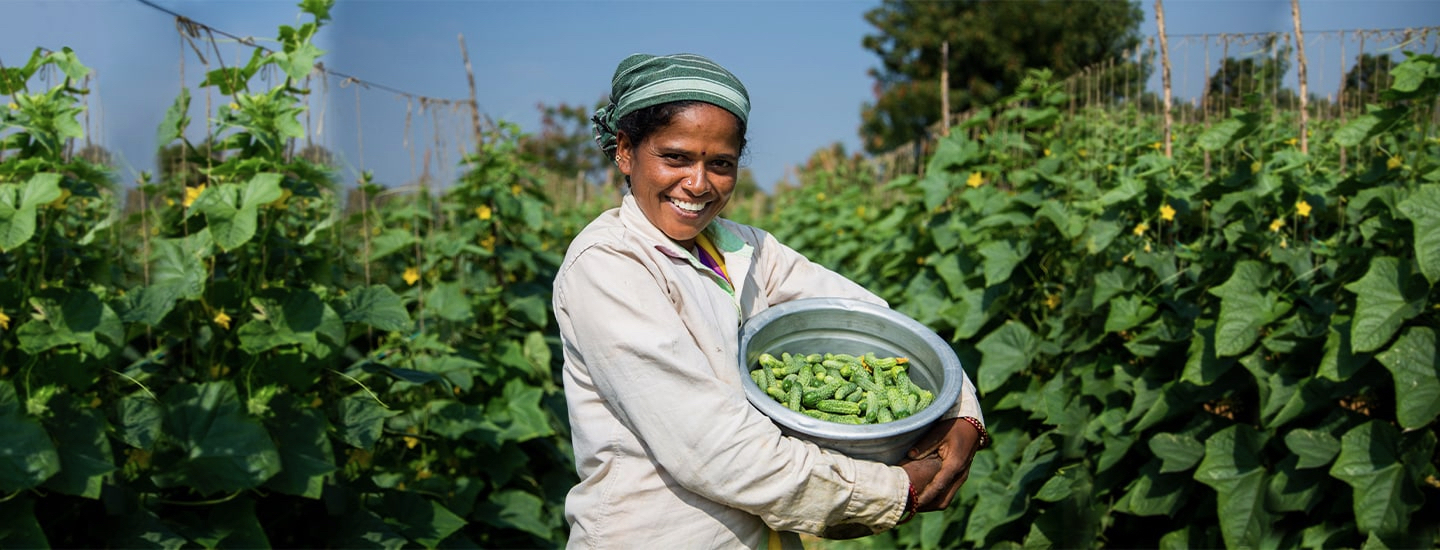
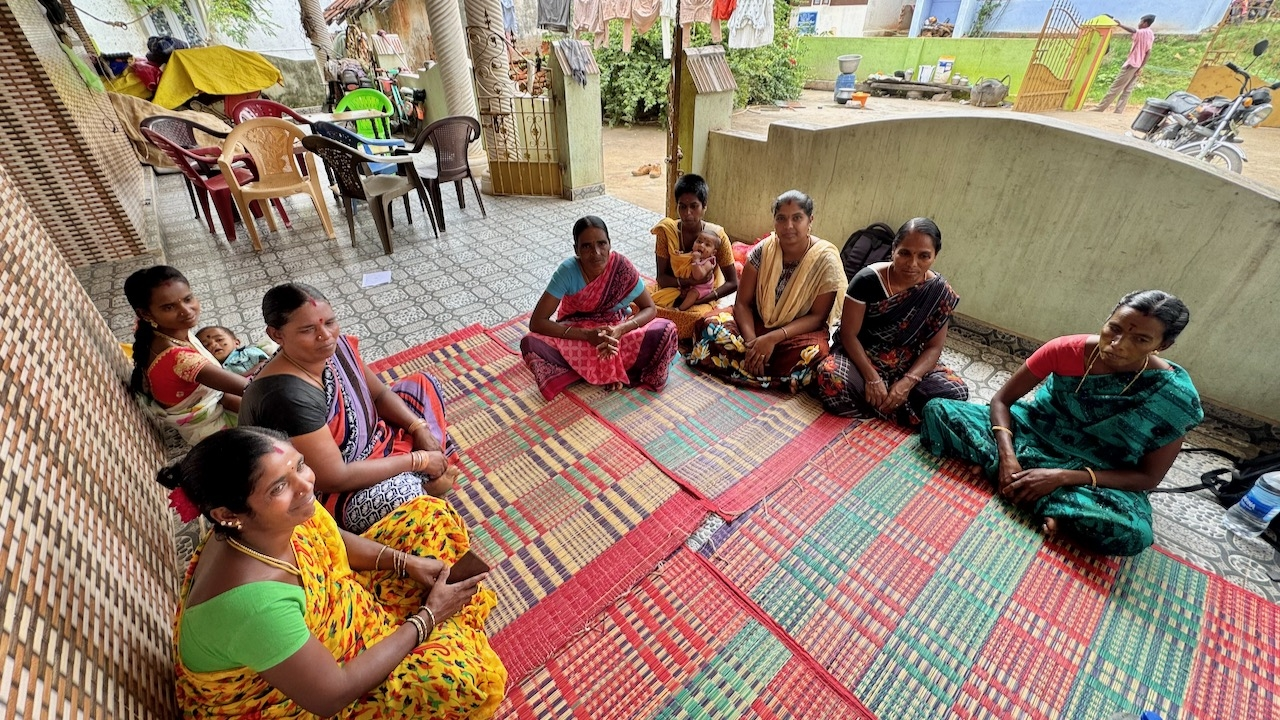
Together with Marcatus, we are investigating how extreme heat is changing smallholder farming in India, and identifying adaptation strategies that strengthen the livelihoods of community members, often women, on the front lines of climate change.
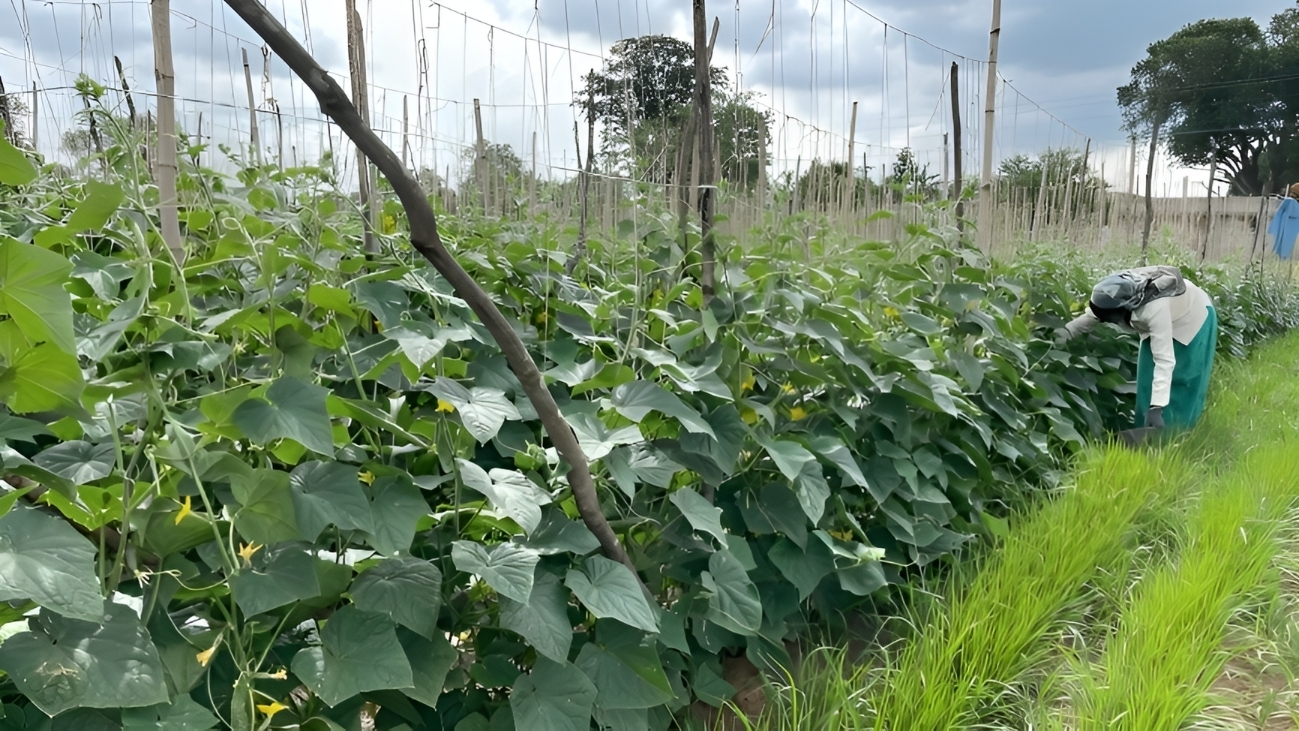
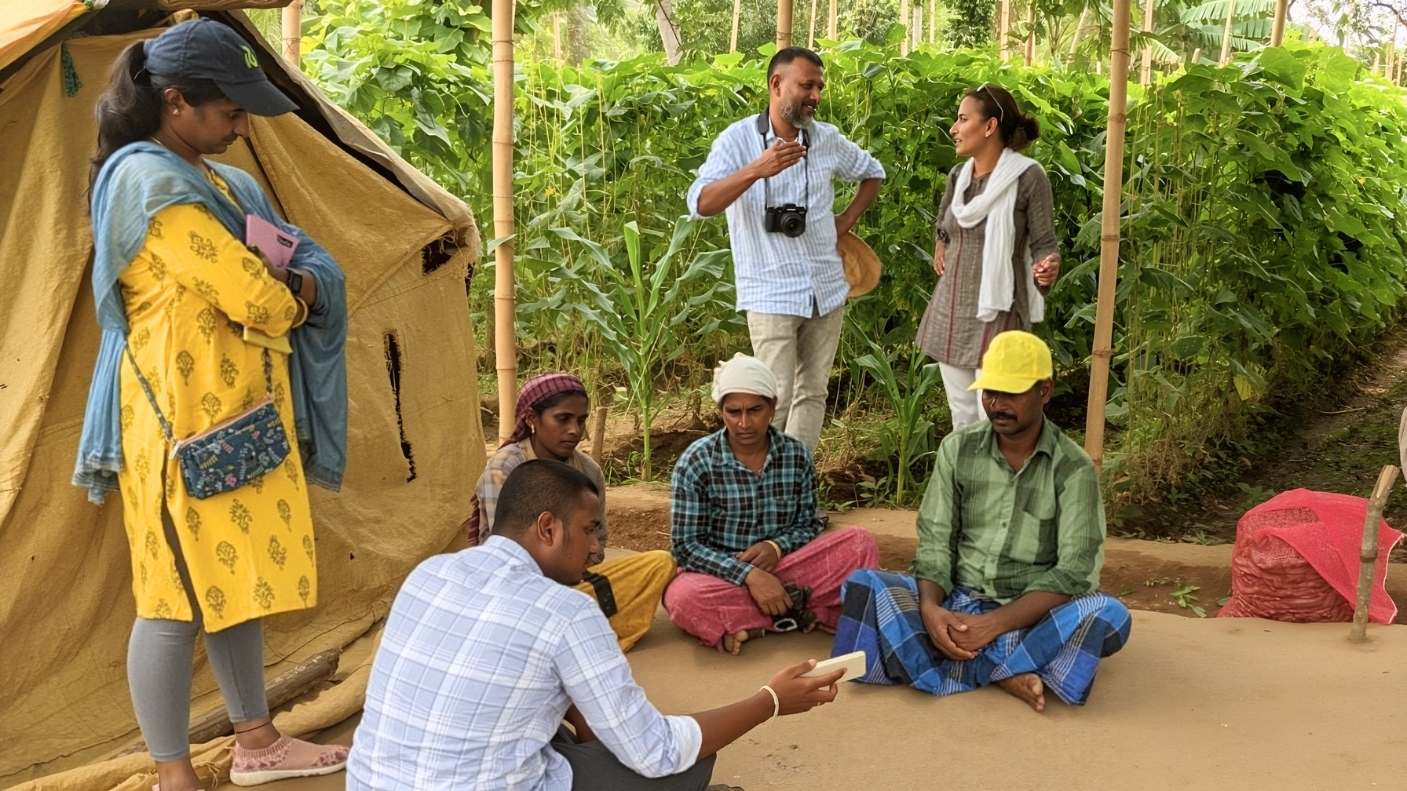
Global warming is magnified in the tropics, leaving smallholder farmers increasingly exposed to extreme heat. This is especially true for the cultivation of labor-intensive horticultural crops, which leave workers vulnerable to heat stress. Since 2023, FOS Co-Director Raji Jayaraman has been working alongside Marcatus to understand how smallholder productivity is impacted by same-day heat, and what short-run adaptation strategies can help farmers cope with it.
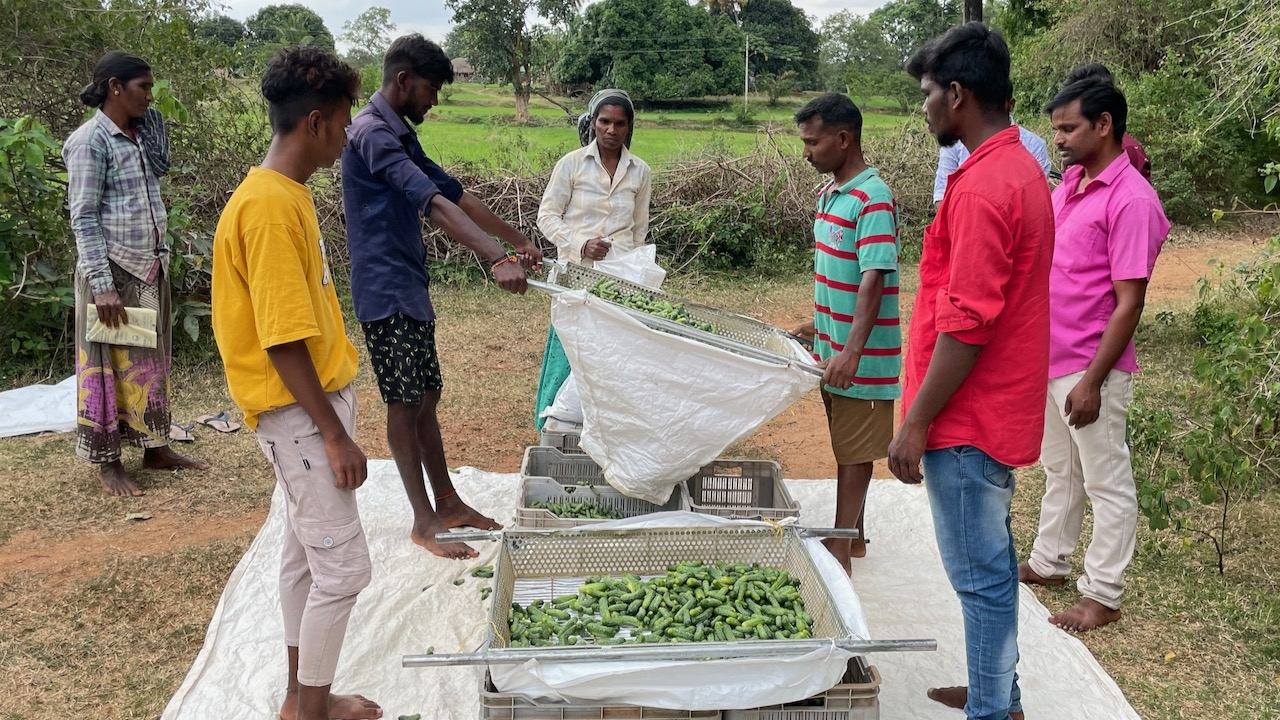
For farmers, heat stress poses an existential threat to livelihoods that depend on physically demanding outdoor work. For agribusinesses like Marcatus QED, understanding and managing heat risk is essential for building resilient and sustainable supply chains. This partnership addresses a critical evidence gap: while climate impacts on agriculture are well documented at seasonal scales, little is known about how extreme heat affects productivity and earnings on a day-to-day basis. Marcatus’ deep operational expertise, strong commitment to evidence-based decision-making, and uniquely granular contract-farming data make it possible to study these questions in real production systems and rapidly translate findings into practice.
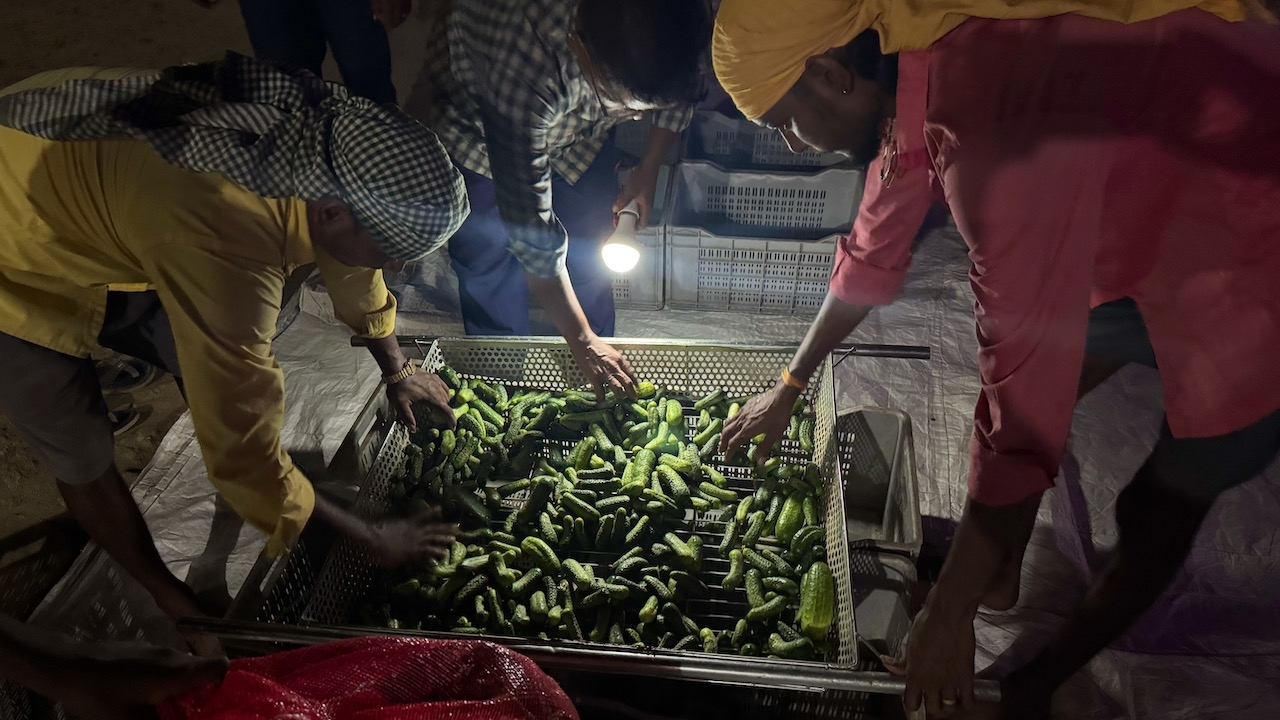
“In South India, extreme heat is no longer just a climate projection—it is a daily threat to the smallholder farmers, many of them women, who are the backbone of our cucumber supply chain. Our partnership with Raji and the FOS team allows us to move beyond anecdotal evidence to understand exactly how heat thresholds impact productivity. By combining our granular operational data with her economic research, we are not just documenting a crisis; we are developing the precise adaptation strategies needed to protect both our 30,000 small holder farmers’ livelihoods and the resilience of our business.”
– Murali Sundar, CEO Marcatus QED
The first project in this partnership uses detailed data on yields, earnings, and local temperatures to identify the heat thresholds at which smallholder productivity begins to decline, and to estimate the income farmers lose on dangerously hot days. The second project will move from understanding the consequences of extreme heat to action by developing and testing practical adaptation strategies.
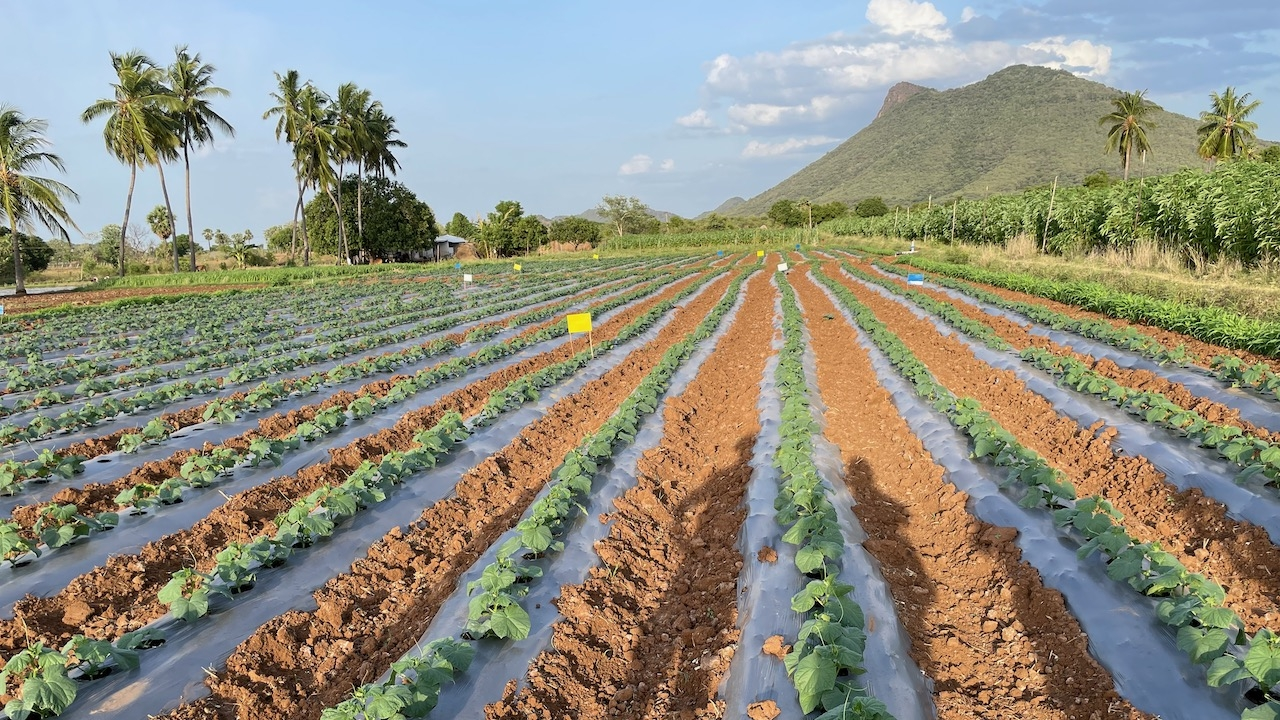
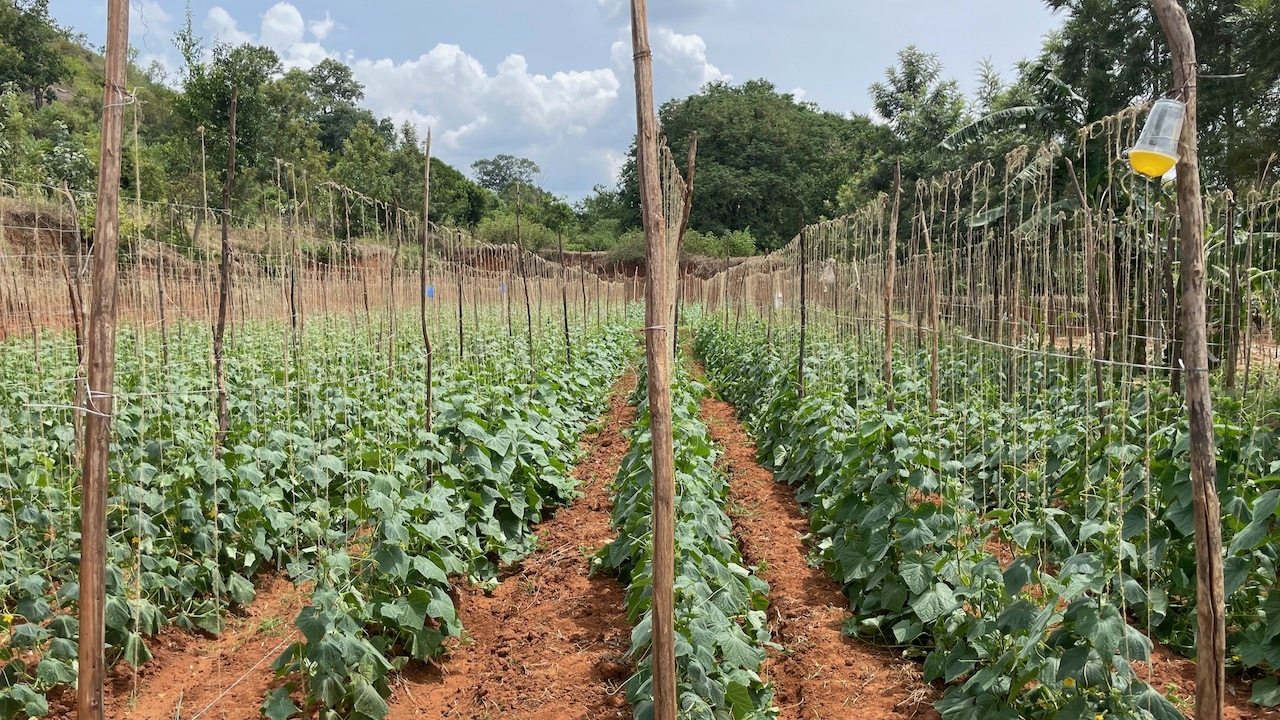
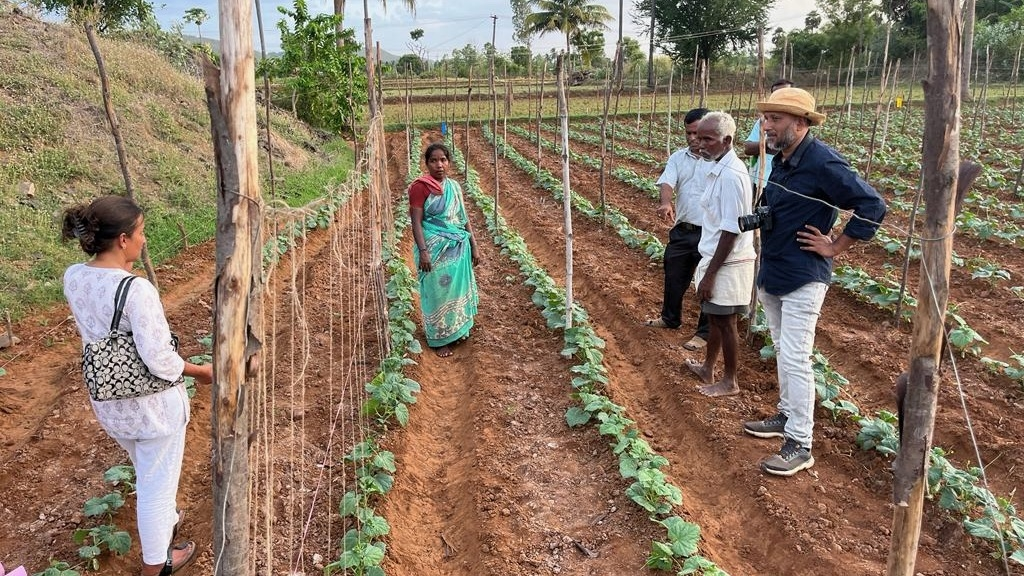
Research Team
-
Raji Jayaraman
ESMT Berlin
-
Sunna Huegemann
PhD Student ESMT & Berlin School of Economics
Policy Partners
-
Murali Sundar
Marcatus CEO
-
Sanchitha Hanumanthappa
Marcatus Responsible Farming
-
Kantharaj
Marcatus Operations
-
Sunil Kombli
Marcatus Global